

For most businesses, this decision is not only about price. It is about choosing the right hosting plan for performance, flexibility, and operational comfort. The right web host should support your current workload without making future growth harder or more expensive than it needs to be.
If you are launching a brochure site, a small catalog, or a lean company website, shared hosting may be the right first step. If you expect traffic growth, a virtual server usually becomes the stronger hosting option. The same applies if you need custom software or stricter security controls.

What Shared Hosting and a Virtual Server Actually Mean
Shared hosting is a model where many websites run on the same shared server. By distributing CPU, RAM, and storage across multiple accounts, providers keep costs low. That is why many small websites and early-stage projects use shared hosting plans. They offer a practical starting point with lower cost and simpler management.
A virtual server works differently. Virtualization splits a physical server into isolated environments. Each instance behaves like its own server with its own operating system, resources, and configuration.
Both systems run on professional web servers in secure data centers. The key difference is control and isolation.
The Core Differences: Cost, Performance, Control, and Security
Resource Allocation and Performance
With shared web hosting, resources are shared. If another account becomes unusually heavy, your website may feel the impact.
A virtual server provides more stable performance. Allocated resources help your site stay stable during traffic spikes.
Management and Customization
Shared hosting is simple. You get a control panel to manage domains, emails, and files without technical knowledge.
A virtual server offers full control. You can install software, configure services, and manage the entire environment.
Security and Isolation
In shared hosting, multiple users exist on the same environment. Security is managed at a general level.
A virtual server provides stronger isolation. You typically get your own IP address and more control over security configurations.
Scalability and Cost
Shared hosting is the most affordable hosting option. However, scaling is limited.
A virtual server costs more but provides flexibility. It sits between shared hosting and dedicated server hosting in terms of price and performance.
Move to a virtual server when performance drops and you need more control, stronger security, and better stability.
When Shared Hosting Is the Better Fit
Shared hosting is ideal when simplicity matters.
- Small business websites
- Portfolio or brochure sites
- Early-stage projects
- Low to medium traffic
Most shared hosting plans include:
- Email setup
- SSL certificates
- Easy website installation
- Basic security features
This makes it a strong starting point for many businesses.
When a Virtual Server Makes More Sense
A virtual server is the better choice when performance and flexibility become critical.
- High-traffic websites
- E-commerce platforms
- Custom applications
- Agencies managing multiple sites
A VPS allows you to:
- Host multiple websites
- Run custom software
- Manage server-level configurations
- Scale resources easily
It also supports virtual machines, making it suitable for complex infrastructures.
Which Option Fits Your Business?
SMEs and Small Businesses
Shared hosting is usually enough for a basic online presence.
E-Commerce Businesses
Performance matters. A virtual server provides better speed and reliability.
Agencies
Agencies benefit from VPS because they can host multiple projects efficiently.
Enterprise Projects
For advanced needs, dedicated servers may be required instead of shared or VPS solutions.
How Makdos Helps You Choose
Makdos offers flexible solutions based on your needs.
- Makdos Web Hosting → Simple and cost effective
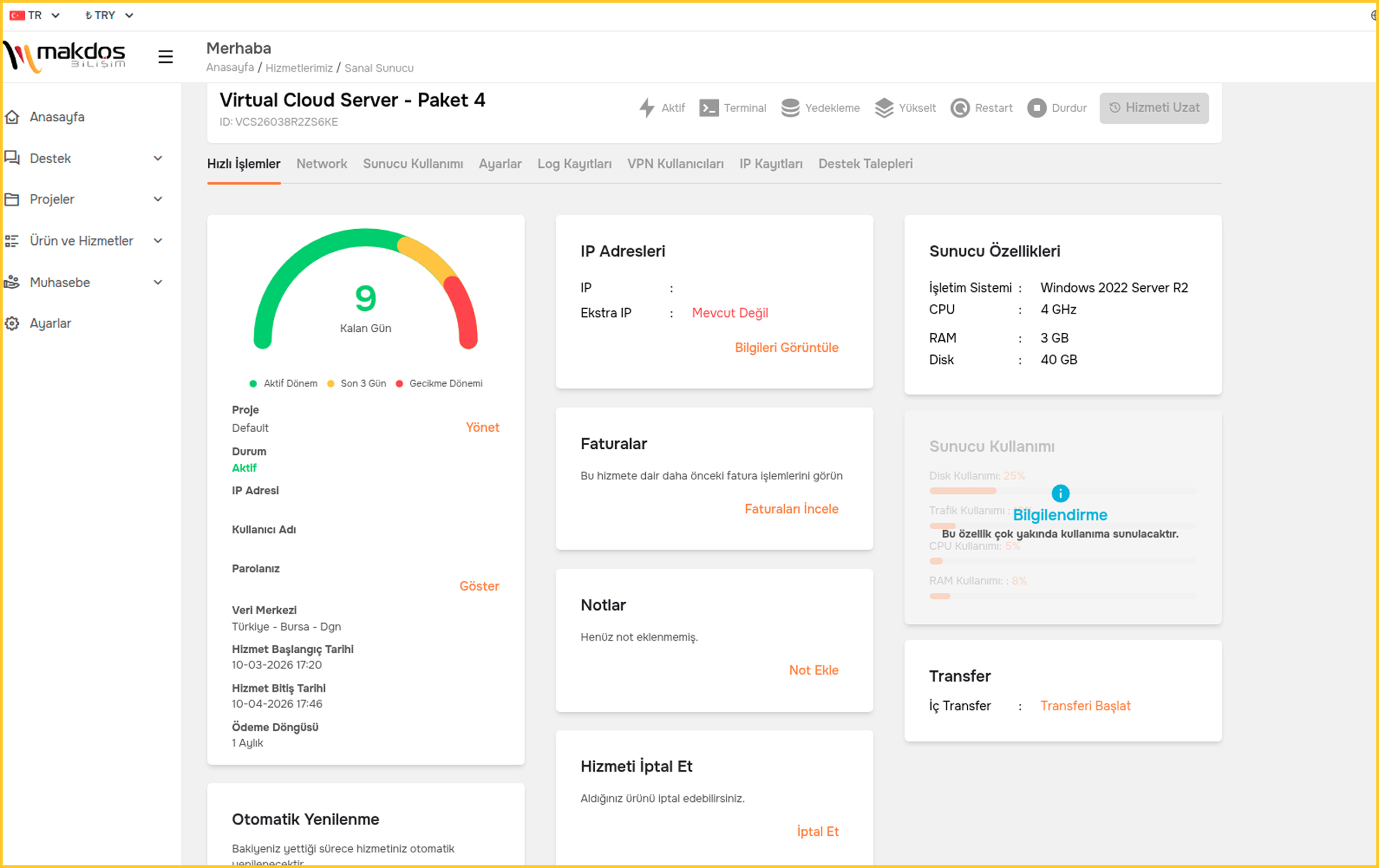
- Makdos Virtual Server → Scalable and customizable
Makdos infrastructure is built to support both small and growing businesses. It combines reliable performance, a strong support team, and systems that can scale as needs grow.
Final Recommendation
If you want low cost and simplicity, start with shared hosting.
If you need performance, control, and scalability, choose a virtual server.
The best choice depends on your current needs and future growth plans.
A correct decision today ensures a better user experience, stable performance, and easier scaling tomorrow.